Lumpy Skin Disease reaches Italy: Insights from the Delegate
published on
09/23/2025
written by

Ugo Della Marta
Ugo Della Marta, Director General of the Directorate for Hygiene, Food Safety and Nutrition at Italy’s Ministry of Health, Chief Veterinary Officer, WOAH Delegate, and EFSA board member, is a veterinarian with expertise in food safety and veterinary public health. In 2022, he was appointed Director of the Regional Agriculture Department of Lazio, where he launched the new cycle of Structural Funds Programming under the Common Agricultural Policy.
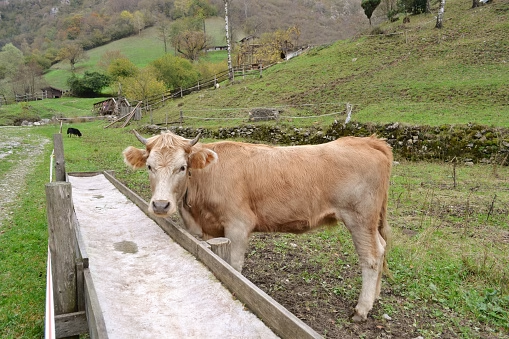
In June 2025, LSD was confirmed on the Italian territory for the first time. We spoke with WOAH Delegate for Italy about the impact of the outbreak on the country’s cattle sector and the measures now underway.
Why should we be concerned about the recent LSD outbreaks in Italy?
Ugo Della Marta: Lumpy Skin Disease (LSD) is a vector-borne viral disease affecting cattle. Under favourable environmental conditions, it can spread rapidly, leading to multiple outbreaks. The restrictive measures required by the European Union include the establishment of a 50 km radius restriction zone, within which cattle movements are strictly regulated. Such measures can have a particularly significant impact when outbreaks occur in areas with a high density of livestock farms, as is the case in some Italian regions.
What can you tell us about the response, coordination, and lessons learned from these recent outbreaks?
Ugo Della Marta: The immediate priority was tracing all cattle moved from affected areas during the risk period. This required both a robust animal identification and traceability system, and the mobilisation of numerous official veterinarians to carry out clinical inspections on farms. For example, over 2,000 cattle originating from Sardinia and destined for other Italian regions were identified and inspected. This effort led to the detection of a single outbreak in Lombardy, which was quickly contained and eradicated, preventing LSD from spreading in an area with a high density of cattle farms. Another key element was ensuring sufficient vaccine availability, as vaccination remains a critical tool for eradication. Italy was able to rely on the European Union’s vaccine bank, which provided 350,000 doses.
What have been the main challenges in containing the disease?
Ugo Della Marta: The main challenges included tracing and inspecting animals moved during the risk period, carrying out clinical inspections within restriction zones under tight timelines, and rolling out a large-scale vaccination programme in a short time frame.
Has this outbreak highlighted any longer-term needs for Italy’s LSD preparedness or veterinary infrastructure?
Ugo Della Marta: Yes. The outbreak highlighted the need for enhanced training for veterinarians on the clinical signs, epidemiology, and management of LSD, as well as advance agreements with vaccine manufacturers to ensure rapid access to doses in the event of an emergency.
The Animal Echo aims to promote individual and collective understanding of animal health and welfare. We bring you insights and opinions from experts across the world. The opinions expressed in The Animal Echo are those of the author (s) and may not necessarily reflect WOAH’s official position.
Continue reading


Receive the latest updates from our Organisation, network, and partners.
This includes Members’ self-declarations, news articles, scientific insights, publications, and more.