Listening to what wildlife is telling us: building a more connected approach to wildlife health surveillance
published on
10/29/2026
written by

Claire Cayol
Claire is a veterinarian and a disease ecologist (DVM, MSc, PhD) with training in both the field and the laboratory. She specialises in host–parasite interactions (rodent- and tick-borne pathogens) and the links between biodiversity and health. At WOAH, she supports the implementation of the Global Wildlife Health Strategy and facilitates science-policy dialogue on wildlife health issues.
Wildlife is constantly sending signals. Some are obvious. Many are not. What happens when we learn to connect these observations across disciplines, institutions and borders?
Dead birds on a shoreline. Cave explorers (Speleologists) with acute respiratory symptoms after visiting a cave housing a bats’ colony. An unusual number of deer found weak and disoriented in a forest. A mysterious fish mass mortality event.
Each signal may initially appear to be a small event and could go unnoticed. Alternatively, it could signal a disease or a syndrome appearing where it has never been seen before, a new threat for a wild protected species, a novel wildlife-originated pathogen targeting human. Sometimes the signals are obvious but more often, quiet and goes unnoticed. The challenge is not simply collecting but connecting, and understanding what they may be telling us.
No single person can see the whole picture. A ranger, a conservationist, a laboratory technician or a community member may each notice something different. It is only when these observations come together that they begin to reveal a fuller understanding of wildlife health.
Wildlife health is deeply connected to the health of the ecosystems in which living beings thrive. Wildlife pollinates plants, disperses seeds, maintains soils, mitigates climate change, creates or maintains landscapes and supports livelihoods and cultures. Wild animals naturally harbour a range of parasites and pathogens that play can play a role in population dynamics and evolutionary processes.
Today, these relationships are under growing pressures, such as pollution, habitat change and fragmentation, climate change, exploitation and other changes. These pressures can affect animals’ ability to cope with disease and change how pathogens spread or behave. The consequences may extend beyond wildlife, affecting domestic animals and, in some cases, human health. For this reason, wildlife health surveillance and early information sharing matters more than ever.
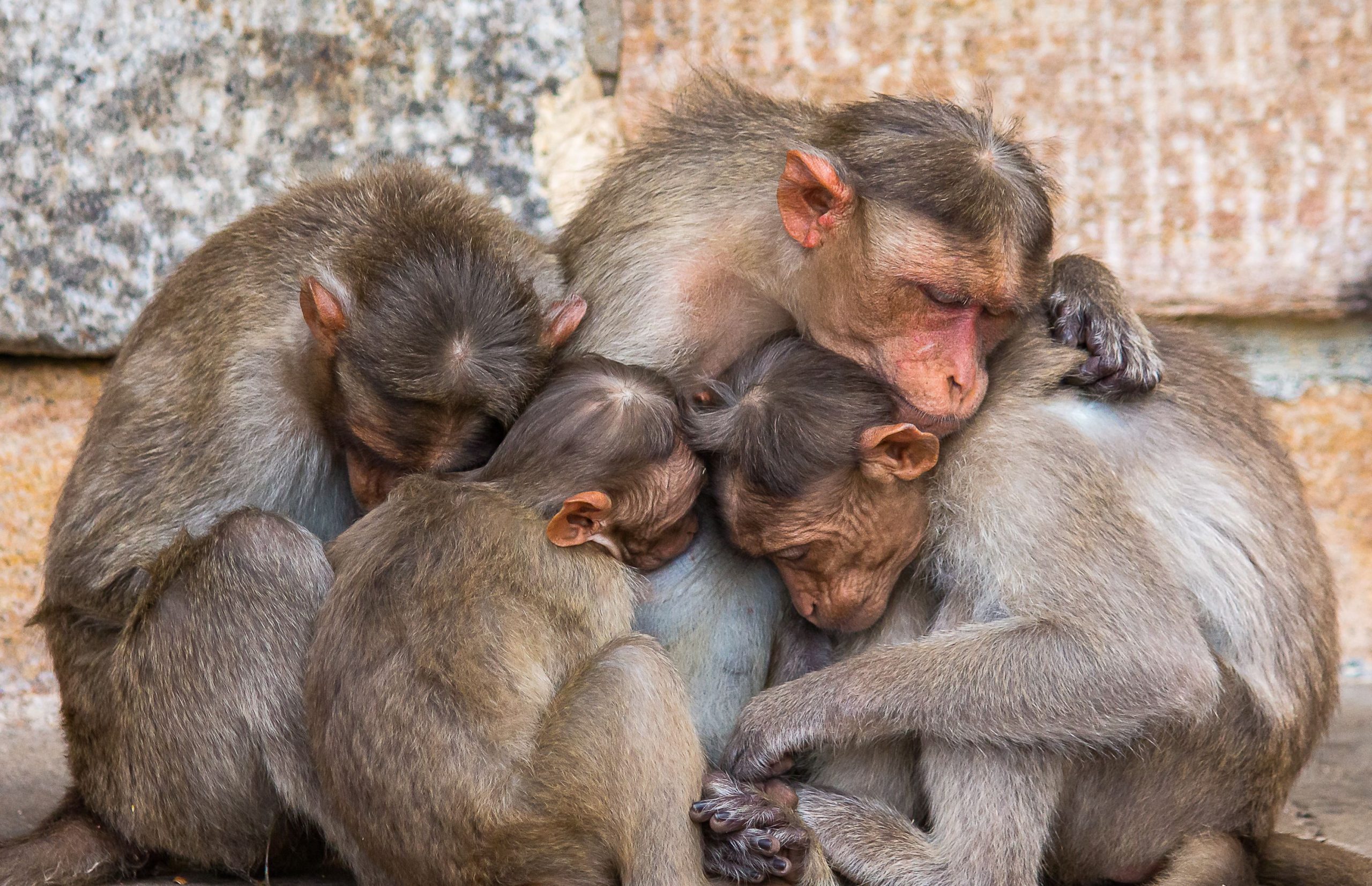
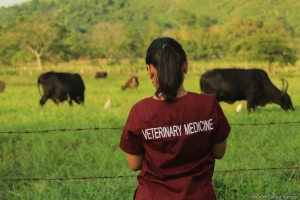
Photo: Pavan Prasad/Pexels
For many years, surveillance systems have been particularly developed around domestic animals. Wildlife presents a different challenge. Animals move across administrative boundaries. They live in places that people may rarely visit and are sometime difficult to observe, let alone sample.
Diagnostic tools are not always designed with wildlife species in mind. Wild animals do not have a clear owner and the people in charge of wildlife can belong to different professional sectors that sometimes seldom connect. Wildlife health surveillance requires specific methods and non-invasive techniques to approach wildlife with minimum disturbance to detect early the signals of what might or might not be a future health or environmental crisis.
Wildlife health surveillance involves field investigations, laboratory investigation and test development, interpretation and communication to a wide range of interest holders.
At first, a conservationist or an ethologist may notice a population behaving differently. A ranger may find several dead animals during a routine patrol. A laboratory technician may recognise a novel pathogen in a sample. A researcher may find xenobiotics in environmental samples. A hunter, wildlife manager, or any community member may be the first person to notice that something has changed: each person holds a piece of the picture, and this picture becomes meaningful only when those pieces can meet. When these efforts are connected, they can contribute to earlier characterisation, better risk assessment and more informed, data-driven action.
No single organisation holds the complete picture.
This understanding helped shape the thinking behind WOAH’s Wildlife Health Strategy 2026–2030. Stronger wildlife health surveillance depends not only on collecting information, but also on creating opportunities for different communities to share it. The Strategy calls for engagement beyond Veterinary Services, including wildlife and environmental sectors, academia and conservation, recognising that wildlife health information is often held across different sectors and institutions.
In other words, connected surveillance is more than a technical exercise. It is a multisectoral network and trust building exercise. Connection also gives information context, and context gives information meaning.
How can we bring together wildlife health information that is often fragmented across institutions, sectors and disciplines in a way that creates shared understanding?
Connected surveillance does not mean that every observation must become a diagnosis, or that every unusual event signals an emerging epidemic. An unexplained mortality event is still information, especially when it affects a vulnerable wild species. Similarly, an unusual behaviour or syndrome is still information.
WildEpi is one initiative that supports this approach. It provides a space for authorised members of a community of wildlife health professionals to share information on health events involving wild species, including undiagnosed and non-infectious events.
Its value lies not simply in recording an event, but in creating an opportunity for observations to enter a shared space where they can be contextualised, i.e., considered alongside other knowledge and, where appropriate, followed by further investigation or risk assessment.
Such information can contribute to a broader understanding of wildlife health when considered alongside other observations, environmental information and expert knowledge. A report can therefore begin with an observation rather than a confirmed diagnosis. That distinction matters: surveillance should help us notice what we do not yet fully understand.
WildEpi is only one part of a wider ecosystem. In addition to this, WOAH’s wildlife health situation reports, its networks of Reference Centres and Collaborating Centres and many partners all contribute knowledge, expertise and contextualisation that help transform information into understanding.
Perhaps a better question is: what might wildlife be telling us that we have yet to consider in an era of increasing environmental complexity?
A change in mortality may point towards a pathogen or a parasite, old or new. Or pollution. Or nutritional stress. Or habitat alteration. Or, in a poly crisis era, several pressures acting together. A disease detected in wildlife may matter because of its potential impact on a rare, protected species. Or because it signals a change in an ecosystem that will eventually affect human or domestic animals. Or it can reveal a new interface between domestic and wild animals. Or a pathogen that evolved in an unexpected way.
The promise of connected wildlife health surveillance is that fewer signals are lost between institutions, disciplines and borders. Each observation can become part of a larger body of knowledge. Each expert can contribute a different way of seeing. And each connection can help transform isolated events into understanding.
The task before us is to become better listeners to wildlife. And when we listen together — across disciplines, sectors, institutions, countries and communities — we may begin to hear not only where disease is occurring, but what changing patterns in wildlife are telling us about the health of the ecosystems we all share.
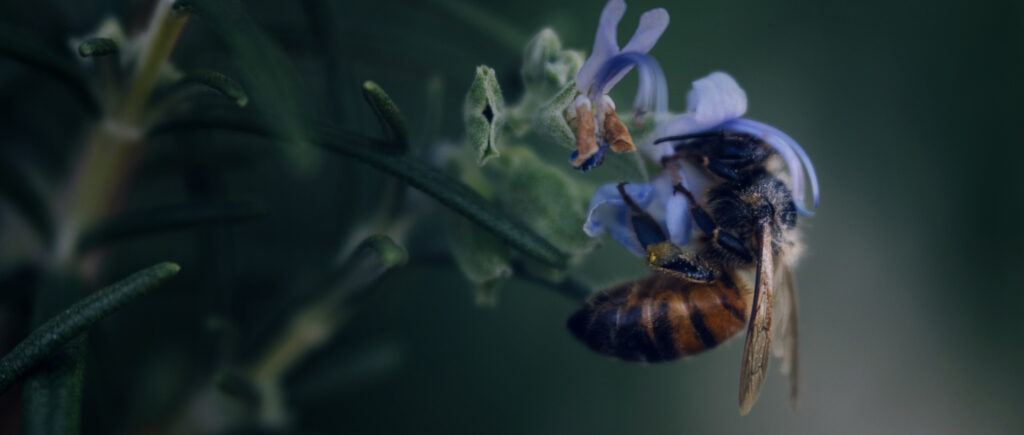
Main featured image by Gu Ko/Pexels.
The Animal Echo aims to promote individual and collective understanding of animal health and welfare. We bring you insights and opinions from experts across the world. The opinions expressed in The Animal Echo are those of the author (s) and may not necessarily reflect WOAH’s official position.
Continue reading


Receive the latest updates from our Organisation, network, and partners.
This includes Members’ self-declarations, news articles, scientific insights, publications, and more.