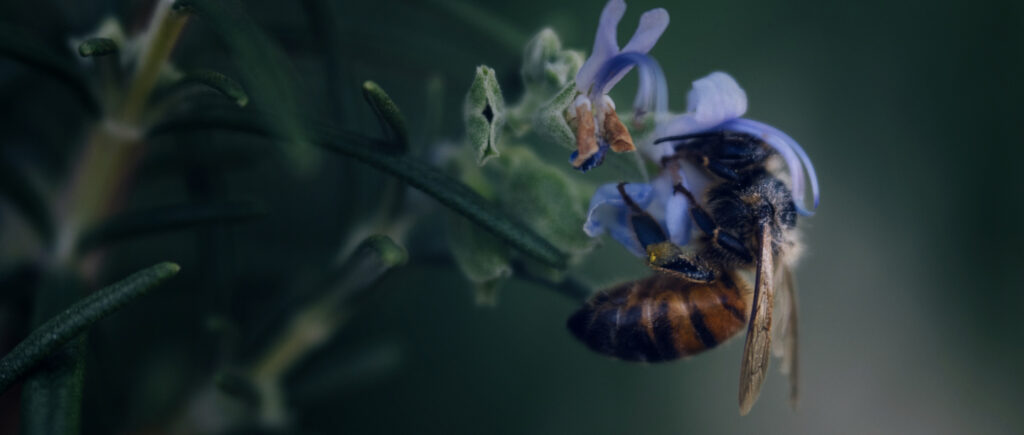
On wings or hooves: animal migration is nature’s rhythm
published on
07/22/2026
written by

Dr Junaidu Maina
Dr Maina is a veterinarian who has served in various cadres and retired in 2009 as Chief Veterinary Officer and former WOAH Delegate for Nigeria. He is an alumnus of the University of Veterinary Medicine, Budapest, Hungary and has vast experience in animal diseases control, design and management of pastoral production systems.
We protect the journeys of birds across continents but often restrict the journeys of pastoralists across landscapes. Yet, both forms of migration reflect nature’s rhythms. Could the difference lie in how we govern mobility?
“The river does not refuse to flow because stones lie in its path.” This African proverb captures the inevitability of migration and the futility of criminalising what is natural.
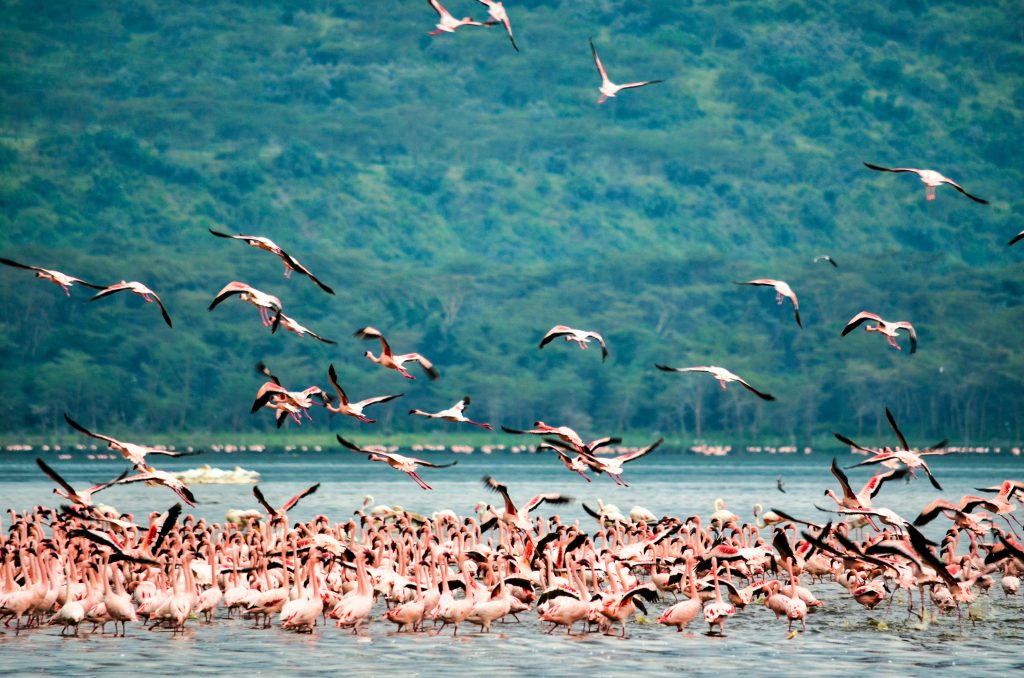
Each year, Nigeria welcomes thousands of migratory birds along the East Atlantic Flyway. They travel from Europe to the Sahel and sub-Saharan Africa, stopping at wetlands such as Hadejia–Nguru before continuing across forests and deserts. Their arrival is celebrated as one of nature’s great spectacles. Governments protect their habitats, conservationists champion their journeys, and photographers capture their beauty. Even minor disputes involving birdwatchers can attract international attention, illustrating the global sympathy that migratory birds command.
Migratory birds are rightly celebrated as ecological wonders. Yet they can also carry pathogens, including high pathogenicity avian influenza viruses, which occasionally spill over into domestic poultry, causing devastating outbreaks and major economic losses. Still, no one proposes criminalising birds or restricting their migration. Instead, countries invest in enhanced surveillance to determine the extent of infection and preparedness to reduce the cost of emergencies because their ecological value outweighs the risks.
Yet when migration occurs on hooves rather than wings, public perception changes dramatically.
For centuries, pastoralists across Africa have practised transhumance — seasonal livestock migration in search of pasture and water. Pastoral livestock systems contribute substantially to Africa’s supply of meat and milk while supporting millions of households across the continent. Mobility is not incidental to pastoralism; it is the foundation of the production system.
Has climate change made mobility more necessary than ever?
Nowhere is this more evident than in the Lake Chad Basin once supporting about 30 million people across four countries. As the Lake has shrunk by nearly 90 percent, mobility is no longer simply a tradition, but an existential necessity for livestock and the pastoral families whose survival depends on them.
Yet unlike birds, whose migrations inspire documentaries and conservation campaigns, livestock mobility is too often portrayed as disorder, conflict, and insecurity rather than as a rational adaptation to climate variability. This double standard deserves closer examination.
How do governance and livestock mobility intersect?
Across Africa’s drylands, mobility allows pastoralists to match livestock with seasonal grazing resources, reducing pressure on any one area while allowing vegetation to recover. Properly managed, it strengthens ecosystem resilience and sustains livestock production under increasingly unpredictable rainfall.
Livestock movement, however, is not without risks. During outbreaks of transboundary animal diseases, veterinary authorities impose movement restrictions, quarantine, inspections, and certification before animals can travel. These measures protect animal health, public health, and trade. Their effectiveness depends on strong veterinary services, sound governance, and regional cooperation.
Unlike livestock movements, which can be regulated through quarantine and veterinary certification, pathogens carried naturally by migratory birds cannot realistically be controlled at international scale for now. Both forms of migration therefore present biosecurity challenges, although the risks differ in nature, scale, and management.
Conflicts linked to livestock mobility are equally real. Crop damage, shrinking grazing lands, encroachment onto stock routes, rural insecurity, weak land governance, unsustainable land-use practices, and climate change have transformed once-negotiated systems of land use into recurring flashpoints between farmers and pastoralists.
But mobility did not create these challenges. They reflect gaps in policy and governance.
The contrast is stark. Bird flyways are carefully mapped, monitored, and protected. Wetlands benefit from legal recognition and sustained investment. Stock routes, by comparison, are governed mainly through usufructuary rights, weakly safeguarded, and increasingly lost to farms and settlements. While birds are celebrated as emblems of resilience, livestock mobility is too often framed as a security risk.
If we can map flyways across the sky and invest in habitats for migratory birds, we can also map and protect grazing corridors on the ground. If conservation laws can safeguard species crossing continents, land-use policies should likewise safeguard pastoralists whose livelihoods depend on responsible movement across landscapes.
Migration itself is neither heroic nor criminal.
Birds escape winter in search of food. Livestock follow rainfall and vegetation in search of pasture and water. Both are responding to ecological necessity. The difference lies not in movement but in governance. When migration is anticipated, planned, and regulated, it supports livelihoods, conserves ecosystems, and reduces conflict. When ignored or suppressed, tensions inevitably rise.
What could better governance look like?
The path forward is clear: protect stock routes, invest in grazing reserve infrastructure, strengthen veterinary services, modernise land-use planning, and regulate—not criminalise—migration.
Digital technology supported land-use planning, combined with stronger crop–livestock integration, fair crop-damage compensation, and inclusive conflict-resolution mechanisms, can minimise competing land claims and significantly reduce disputes between farmers and pastoralists. Regional Economic Communities must also reinforce frameworks for predictable, regulated cross‑border transhumance.
Criminalising transhumance may appear attractive, but it neither addresses climate realities nor resolves the structural causes of conflict. Managing transhumance wisely strengthens food systems, protects livestock-based livelihoods, enhances climate resilience, and promotes peaceful coexistence.
The International Year of Rangelands and Pastoralists provides a timely opportunity to rethink prevailing narratives. It recognises that pastoralists are not relics of the past but essential stewards of nearly half of the world’s land surface. Their mobility remains one of humanity’s oldest and most successful adaptations to environmental variability.
Migration is the law of life. Governance is the law of man.
Today, one form of animal migration attracts admiration in documentaries and conservation campaigns, while another often provokes controversy in political debate. Both require sound governance. Both involve biosecurity considerations. Yet livestock migration feeds millions through the production of meat and milk, while migratory birds provide ecological services that are equally indispensable.
As the African proverb reminds us, “Until the lions have their own historians, the history of the hunt will always glorify the hunter.” So too with migration. Its story must be told more completely celebrating the wonder of flight across the skies while recognising the quieter journeys on hooves that sustain food security, livestock-based livelihoods, and resilient ecosystems.
Migration is nature’s rhythm. Good governance determines whether it becomes a source of prosperity or conflict.
The Animal Echo aims to promote individual and collective understanding of animal health and welfare. We bring you insights and opinions from experts across the world. The opinions expressed in The Animal Echo are those of the author (s) and may not necessarily reflect WOAH’s official position.
Continue reading



Receive the latest updates from our Organisation, network, and partners.
This includes Members’ self-declarations, news articles, scientific insights, publications, and more.