Mind the Gap: 5 ways investing in animal health bridges our shared health divide
published on
05/22/2026
written by

Dr Mbargou Lo
Dr Lo is Senegal’s Delegate to the World Organisation for Animal Health and a member of its Council, leading Veterinary Services and advancing animal health governance across Africa.
Animal health lies at the heart of planetary health and everyone’s future. Consider how deeply intertwined animals are with the environment, trade, food security and livelihoods: when their health is compromised, our world suffers too.
Yet evidence shows that the sector – despite its undeniable importance – is chronically underfunded. Recent data paint a gloomy picture, with more than 20% of global animal production being lost to preventable disease every year. Strikingly, less than 2.5% of an already shrinking global health aid budget is poured into pandemic prevention every year.
But poor animal health is not a cause – it’s a symptom. Conflict, climate change, loss of biodiversity, among other events, are only some of the factors that are placing unprecedented strain on our shared ecosystem. This conversation deserves our utmost attention: when animal health is inadequately funded, veterinary services and life-saving treatment become out of reach to billions of people around the world. Disease outbreaks – and in the worst-case scenario pandemics – can have devastating, virtually irreversible consequences.
These are five reasons why, when it comes to protecting our shared future, investing in animal health is our most resourceful tool.
1. Food security and more resilient livelihoods
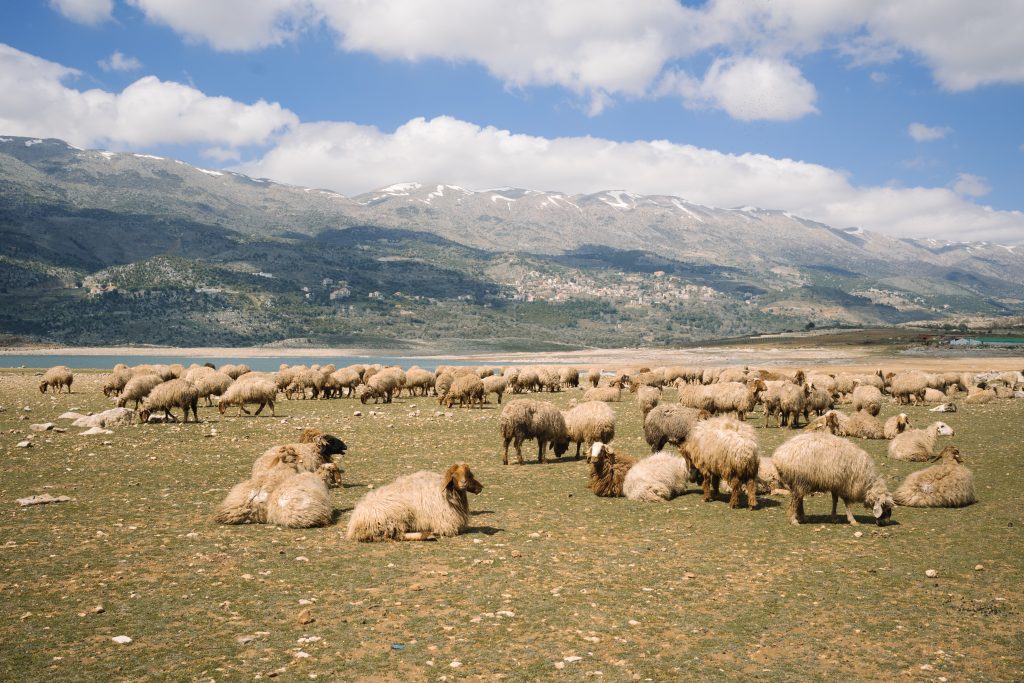
Healthy animals underpin food security around the world. Preventable diseases account for roughly 20% of terrestrial animal production losses each year. Evidence shows that backed up by the right investment, closing that animal health gap translates directly into higher farm incomes, more stable food prices and stronger rural economies.
2. Better human health
The interdependence of animal health and human health has never been clearer. Around 60% of known human infectious diseases originate in animals, and 75% of emerging diseases have an animal origin.
Coronavirus and the recently identified cases of hantavirus serve as constant reminders of how easily zoonotic diseases can spread, and how devasting their impact can be. Rabies alone kills an estimated 59,000 people a year. But the disease, although lethal, is entirely preventable.
In fact, 99% of cases come from dog bites and a dog vaccine only a handful of dollars, against over USD 100 needed on average for human post-exposure treatment. This is just one of many examples showing how investing in healthy animals is consistently cheaper and more effective than treating people downstream.
3. Preventing pandemics
The recent COVID-19 pandemic has stoked fear of what could happen if a virus were to spread across borders. Those days are long gone, but their memory is still vivid and left us with important lessons. Meanwhile, avian influenza recorded over 1,600 outbreaks in animals in the period covered by this report, and has spread to new species and geographies. No sustained human-to-human transmission has been confirmed, but every day of underinvestment in surveillance and preparedness narrows the margin significantly. This proves a key point: strong animal health systems are the earliest and strongest line of defence against looming threats that are hard to predict.
4. Economic stability
A lack of investment in animal health can translate into catastrophic consequences. Research shows that a single foot-and-mouth disease outbreak would cost the UK economy approximately £14 billion today. The 2001 UK outbreak cost £8 billion and led to the culling of over 6 million animals. But when the same country invested in preparedness, a 2007 outbreak was contained in less than 2 months at a cost of £47 million. This underlines an important point: preparedness is a recipe for success. Its returns are measurable – and very much real.
5. Antimicrobial resistance (AMR)
AMR is often described as a silent pandemic. The reason? The rising phenomenon can render specific treatments simply ineffective. And without serious action, it could cause over 39 million human deaths by 2050 alongside USD 953 billion in animal production losses. Healthier animals need fewer antibiotics but better prevention. This makes investing urgent and the most direct route to reducing resistance.
Building a highly sustainable animal health landscape requires financial support. By applying this lens to animal health, the trade-off appears real. A good investment is one where returns clearly outweigh costs. From workforce to surveillance and vaccine access, investing in animal health can yield rich, unparallel returns. Studies show returns on investment of up to 86% per year, placing animal health among the most productive investments for society.
The second edition of The State of the Animal Health report has attempted to make a case for it. One truth stands out: Failing to recognise the value of investing in animal health is a costly mistake. This doesn’t mean that taking the right action is always easy. Unlocking the transformative potential of animal health demands sustained, targeted and scalable investments that take into account the various actors involved along the complex animal health chain.
These are only five results that investing in animal health can generate. Yet, the reality is that returns are countless and far-reaching. As we become inherently interdependent in an ecosystem that feels increasingly smaller and somewhat weaker, with multiple and varied threats looming large, one reasoning rings true: Acknowledging the importance of animal health – and providing it with the right financial tools accordingly – is no longer something society can afford to overlook.
The Animal Echo aims to promote individual and collective understanding of animal health and welfare. We bring you insights and opinions from experts across the world. The opinions expressed in The Animal Echo are those of the author (s) and may not necessarily reflect WOAH’s official position.
Continue reading


Receive the latest updates from our Organisation, network, and partners.
This includes Members’ self-declarations, news articles, scientific insights, publications, and more.