Reframing Veterinary Wellbeing as a Strategic Workforce Priority
published on
06/04/2026
written by

Dr Marie Holowaychuk
Dr Marie is a veterinarian, speaker, podcaster, and author of A Compassionate Calling. She empowers caregiving teams to prevent burnout and cultivate sustainable, resilient careers.
The veterinary workforce faces a hidden but well-documented crisis: high burnout, persistent stress, and mental health challenges that threaten staff retention, the quality of care, and the resilience of veterinary teams.
Across clinics and hospitals, these pressures threaten not only individual wellbeing but also the sustainability of the profession. Approaches have focused on personal resilience, yet, research shows that systemic support and organisational investment in wellbeing are critical to retaining skilled professionals and ensuring animal health and welfare.
Framing wellbeing as a strategic workforce development priority shifts the conversation: it is no longer a “nice-to-have” or a personal responsibility. Instead, it is an investment in the strength, skill, and longevity of the veterinary workforce. Reframing wellbeing this way is not just timely; it is essential for the future of veterinary medicine globally.
We asked Dr Marie Holowaychuk how veterinary wellbeing can be reframed as a priority. Here’s what she had to say:
What does veterinary wellbeing mean to you, and why does it matter at work?
Dr Marie Holowaychuk: To me, veterinary wellbeing is a person’s capacity to thrive from a physical, mental, and emotional perspective. It is not merely the absence of illness or burnout, but the presence of the resources and support needed to navigate the unique demands of our profession. It matters at work because we spend the vast majority of our waking hours there. In veterinary medicine, there are inherent stressors, long hours, high-stakes medical decisions, and difficult conversations that have the potential to diminish our wellbeing if left unaddressed.
Research consistently shows that wellbeing is not just a personal “extra”; it is deeply tied to the organisational environment. Factors such as team communication, workload management, a genuine sense of belonging, and trust in leadership are among the primary drivers of a healthy workplace.
When we prioritise wellbeing at work, we are not only helping individuals feel better; we are also supporting the stability and effectiveness of the entire veterinary team.
What inspired you to focus on veterinary wellbeing in your career?
Dr Marie: My inspiration is both deeply personal and generational. I grew up in the world of veterinary medicine; both of my parents were veterinarians. I spent my childhood working in my mom’s companion animal practice, and I developed a deep respect for the regulatory and animal welfare work my dad performed. I love this profession, but over the last few decades, I have witnessed a massive and concerning shift in the career satisfaction of my colleagues.
My own experiences with burnout while working in academia were a turning point for me. I realised that even those of us who are highly “successful” by traditional standards can find ourselves spinning our wheels and losing our spark. I am passionate about keeping talented people in this incredible profession long-term. To do that, I knew I had to move beyond the ICU and focus on the “human” side of veterinary medicine, advocating for the mental health and sustainable career paths that our community deserves.
What misconceptions about wellbeing in veterinary medicine do you see? How do systemic factors outweigh personal resilience?
Misconceptions in our field often swing between two extremes. On one hand, there is the belief that burnout is an inevitable “rite of passage” that everyone will eventually succumb to. On the other hand, there is the dangerous denial, often rooted in shame, that “it won’t happen to me.” The reality is that everyone in veterinary medicine is susceptible due to the inherent stressors we face, including moral distress from ethical dilemmas and the social pressure of client-facing services.
The most critical misconception, however, is that burnout is a failure of individual resilience. Research proves that organisational and systemic factors are the most significant predictors of burnout. You can place a highly resilient, mindful individual into a toxic work environment with an unmanageable workload, and they will still experience burnout. No amount of yoga, meditation, or “grit” can prevent the impact of a systemic lack of support. We must stop asking individuals to be more resilient and start asking organisations to be more supportive.
How can veterinary education better support student wellbeing? What role does this play in shaping a more resilient future workforce?
Most veterinary schools are making strides by providing on-site mental health support, such as social workers and counselors. This is a vital first step given the high rates of anxiety and depression among students. However, I believe we need to go further by weaving wellbeing into the actual curriculum. We need to prepare students for the reality of practice, not just the science of medicine.
This includes shifting how students view their professional identity. Drawing on Dr. Armitage-Chan’s work at the Royal Veterinary College, we should encourage a “problem-focused” identity rather than just a “diagnosis-focused” one, helping students find professional satisfaction even when a perfect clinical outcome isn’t possible. Furthermore, we must provide robust training in navigating conflict and managing the daily moral stressors that plague the profession. By teaching these skills early, we aren’t just helping students survive vet school; we are equipping them to lead a healthier, more sustainable workforce.
Can you share examples of veterinary practices that have integrated wellbeing into workforce development? What benefits have resulted?
I have seen several forward-thinking organisations and practices invest in communication and leadership coaching that prioritises psychological safety and humble leadership. These practices move away from “top-down” mandates and instead focus on values alignment and proactive workload management. By fostering a culture where assertive communication is encouraged and team members feel safe to share their challenges, these practices have seen measurable improvements in job satisfaction and team retention.
Wellbeing must be a strategic priority that starts at the top. Programmes like Mental Health Commission of Canada’s The Working Mind are excellent examples of evidence-based tools designed to promote workplace mental health and remove the stigma surrounding these discussions. When an organisation treats mental health with the same importance as clinical excellence, the result is a more engaged, loyal, and effective team.
What first steps can organisations—from schools to clinics and governments—take to embed wellbeing in workforce policies?
The first step is ensuring the basics are covered: access to mental health support through Employee Assistance Programmes (EAP) or comprehensive health benefits. Leaders should also verify what their local or state veterinary medical associations offer and ensure that information is clearly communicated to every team member.
Beyond basic support, organisations must train their leaders in healthy communication and conflict resolution. We need to embed psychological safety into the very fabric of our policies, ensuring there are clear, safe channels for team members to share concerns without fear of retribution. Finally, we must look at the “big picture” of the workforce, addressing the physical and mental hazards of the job and creating policies that protect time for rest and recovery. Wellbeing shouldn’t be an afterthought; it should be the foundation upon which all other professional policies are built.
_____
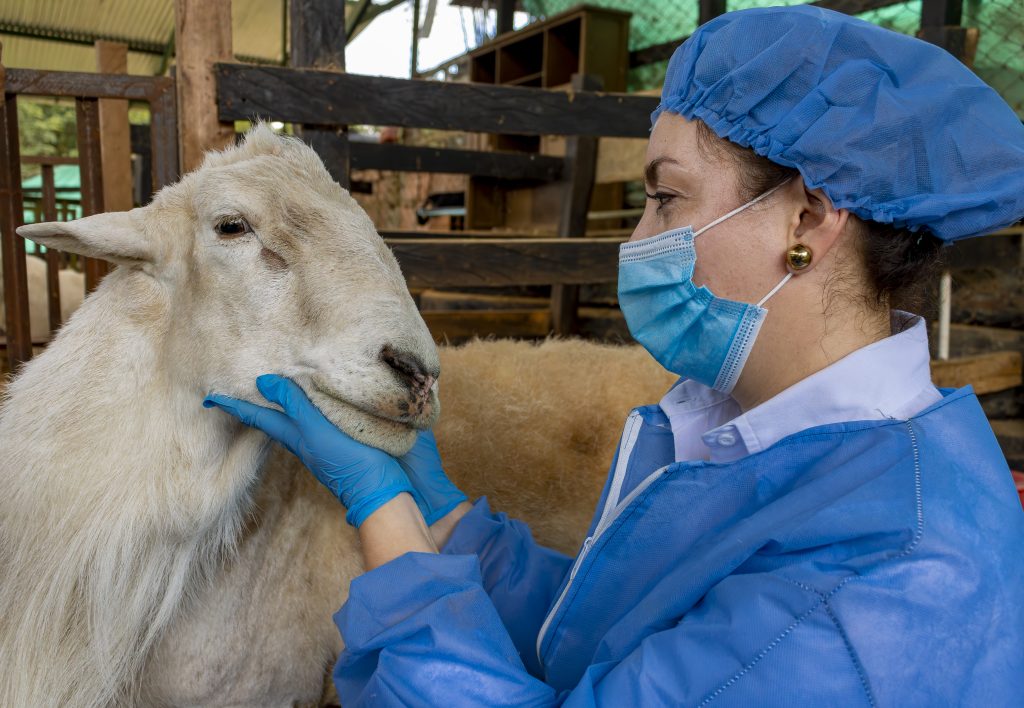
Featured image: © WOAH/Romero Gutierrez Duvan Arturo
The Animal Echo aims to promote individual and collective understanding of animal health and welfare. We bring you insights and opinions from experts across the world. The opinions expressed in The Animal Echo are those of the author (s) and may not necessarily reflect WOAH’s official position.
Continue reading







Receive the latest updates from our Organisation, network, and partners.
This includes Members’ self-declarations, news articles, scientific insights, publications, and more.