We asked next-gen veterinarians: How can we better invest in animal health and welfare? — Here’s what they had to say
published on
05/04/2026
written by

International Veterinary Students Association (IVSA)
Contributed by: Tamy Negrón García, Ekaa Desai, Nwankwo Marvelous Sopuruchi, Menna Emad Bazeed, Rumeysa Ertaş.
Animal health sits at the heart of One Health, interconnected with human health, food security, economies, and the ecosystems we all depend on. To explore what meaningful investment could look like, we asked five emerging veterinary professionals from regions across the world, “what’s one investment that would most strengthen animal health systems in your region?
Here’s what they had to say.

Ekaa Desai (Asia-Pacific)

IVSA SCOH Chair 2025/26
What investment matters most?
“If I had to choose one investment, it would be protecting and restoring the ecosystems we’re rapidly losing, our forests, coasts, and oceans that millions of species depend on to survive.”
What impact would this investment have in 5-10 years?
Ekaa: Greater awareness and conservation efforts would create a more conscious and environmentally engaged generation; one that recognises that true development doesn’t come at the cost of nature. Protecting habitats would also reduce zoonotic risks, stabilise ecosystems, reduce human-animal conflicts, and foster a healthier planet overall.
Ekaa highlights the rapid economic growth and urbanisation across the Asia-Pacific region. As the population grows and industrialisation accelerates, rising resource use is placing extreme pressure on natural habitats. As ecosystems disappear, animals, especially wildlife, are forced to migrate closer to human settlements, increasing the risk of disease spillover.
“These gaps show the need for stronger environmental policies, better enforcement, and accessible education on One Health.” She points out that many communities and corporations still underestimate the dangers of habitat loss and its link to disease emergence.

IVSA President 2025/26
What investment matters most?
“An impactful investment would be strengthening prevention strategies for zoonotic diseases. While resources are often focused on treatment and outbreak response, the urgency is frequently recognised only after humans are affected.”
What impact would this investment have in 5-10 years?
Tamy: Better prevention would lead to earlier detection, fewer outbreaks, and reduced public anxiety around interacting with animals or consuming animal products; for instance, the worry that often increases around keeping pets or consuming poultry during disease outbreaks. Over time, stronger prevention would help build public trust, support healthier communities, and strengthen both animal and human health systems.
Prevention depends on strong collaboration between communities, health professionals, and governments. Tamy points out that veterinarians are most often underrecognised, and not fully brought into the decision-making process, especially when it comes to designing and implementing surveillance and prevention strategies before outbreaks happen. A breakdown in coordination creates gaps in response systems and weakens a region’s ability to act more quickly and effectively against zoonotic threats.
For Tamy, adopting a One Health approach where veterinary expertise is fully integrated, would strengthen early detection, improve preparedness, and enhance the overall effectiveness of animal health systems.

IVSA SCOH Research and Data Analyst 2025/26
What investment matters most?
“A key investment is field-deployable diagnostic technologies such as handheld PCR devices, portable rapid tests, and biosensors. Many communities in sub-Saharan Africa remain under-resourced in terms of access to quick, on-site diagnostic tools. These innovations allow veterinarians to diagnose diseases quickly, protecting themselves while enabling faster, more effective treatment.”
What impact would this investment have in 5-10 years?
Marvelous: Increasing access to veterinary diagnostic tools will strengthen the national surveillance system through earlier disease outbreak detection, improved occupational safety, and reduced zoonotic transmission. Ultimately, this investment aligns with One Health principles, strengthening both public health and livestock productivity across the region.
Zoonotic diseases such as brucellosis, mpox, and rabies continue to pose major threats across
sub-Saharan Africa, as they spread easily through direct contact with infected animals. “Confirming these cases often relies on slow, laboratory-based testing. As a result, veterinarians, particularly those working in underserved areas, remain vulnerable during the initial examination, when the cause of illness is still unclear. These delays not only increase risk for veterinarians but also slow the timely treatment of animal diseases.”, Marvelous adds.

Menna Emad Bazeed (Middle East)
IVSA SCOH Ambassador 2025/26
What investment matters most?
“Investment in raising awareness among farmers, particularly on the importance of prophylaxis and vaccination, biosecurity on farms, early reporting and prevention measures, will most effectively strengthen animal health in the region. Educational campaigns conducted by authorities and veterinary students remain crucial.”
What impact would this investment have in 5-10 years?
Menaa: Improved awareness would increase vaccination uptake, shorten disease outbreaks, enhance biosecurity, as well as reduce economic losses, thereby, creating safer and more resilient animal health systems.
Menna highlights that endemic diseases like FMD and Rift Valley fever cause major economic losses in the region. Despite Veterinary Services’ efforts to control animal diseases, gaps in farmer awareness lead to missed vaccinations, delayed reporting, and unsafe practices, fueling disease spread.
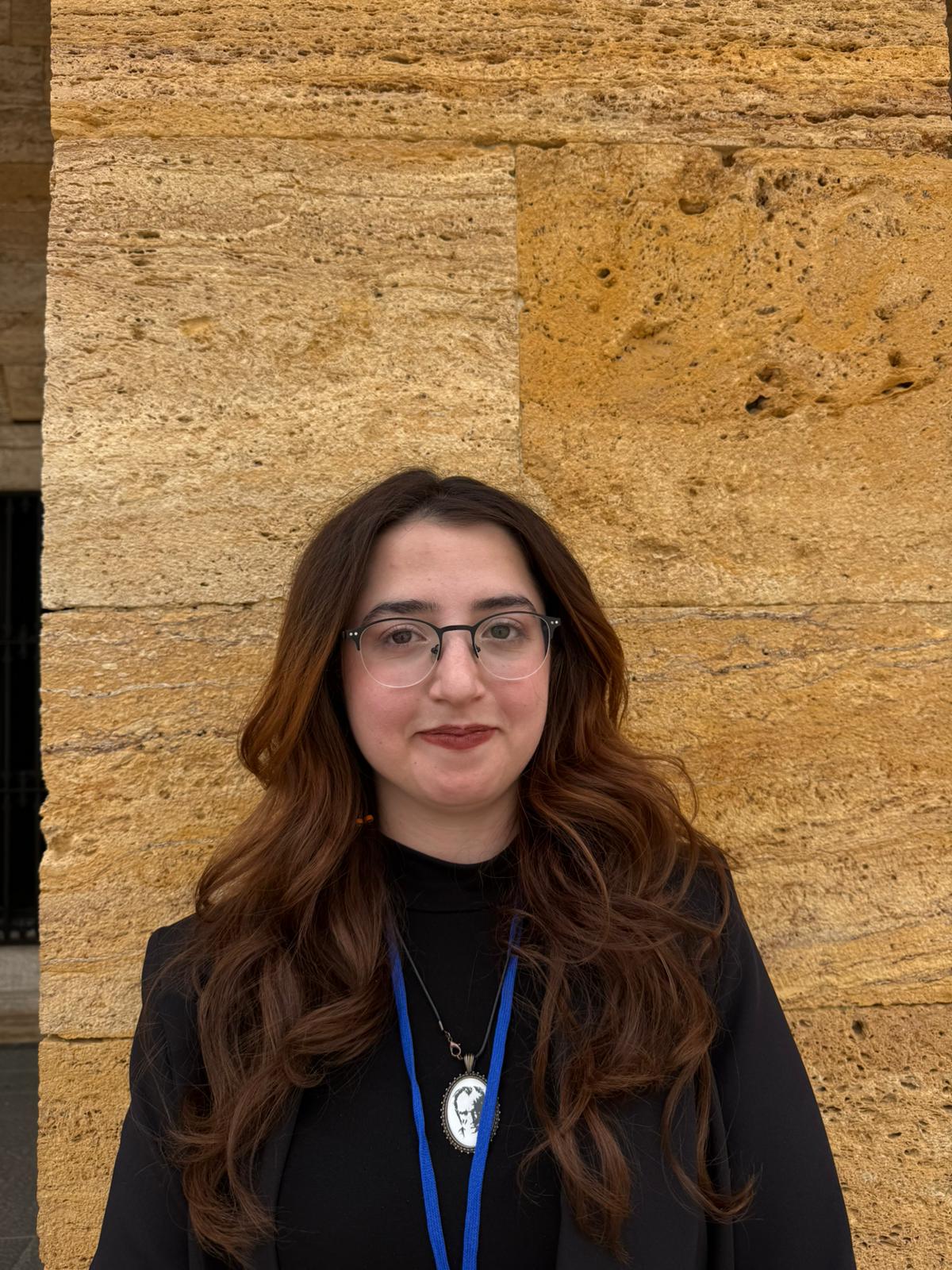
Ambassador Manager of IVSA SCOH 2025/26
What investment matters most?
“One investment that could really strengthen animal health systems in Türkiye and across Europe is creating a centralised digital system similar to e-Nabız and MHRS, but for animals.”
What impact would this investment have in 5-10 years?
Rumeysa: A digital ecosystem would enable earlier disease detection, streamline communication, improve vaccination compliance, and strengthen outbreak control, ultimately benefiting both animal and public health.
In human healthcare, e-Nabız lets people see their medical history such as test results and vaccines, previous hospital visits, diagnoses, etc. While MHRS is used to book appointments and see which hospital/doctor/clinic is available easily. A similar system for animals could bring together vaccination records, treatments, lab results, and vet visits in one place for both pets and farm animals.
Rumeysa points out that animal health data is at the moment, currently scattered across clinics, farms, and labs. Such fragmentation makes disease tracking and continuity of care far more challenging.
Across the world, emerging veterinary professionals like Menna, Marvelous, Rumeysa, Tamy, and Ekaa share a key message about the need for continuous investment in animal health and welfare.
Whether it’s rapid diagnostics, stronger prevention, empowered farmers, modern digital tools, or as Ekaa highlights, protecting and restoring the ecosystems animals rely on, their perspectives reflect what global leaders are saying: animal health is central to global health security.
With around 75% of emerging infectious diseases being zoonotic (diseases that jump from animals to humans), veterinarians are often the first to notice early warning signs. Investing in animal health and welfare isn’t just about protecting animals; it’s how we build resilient food systems, strengthen economies, and secure a safer future for everyone.
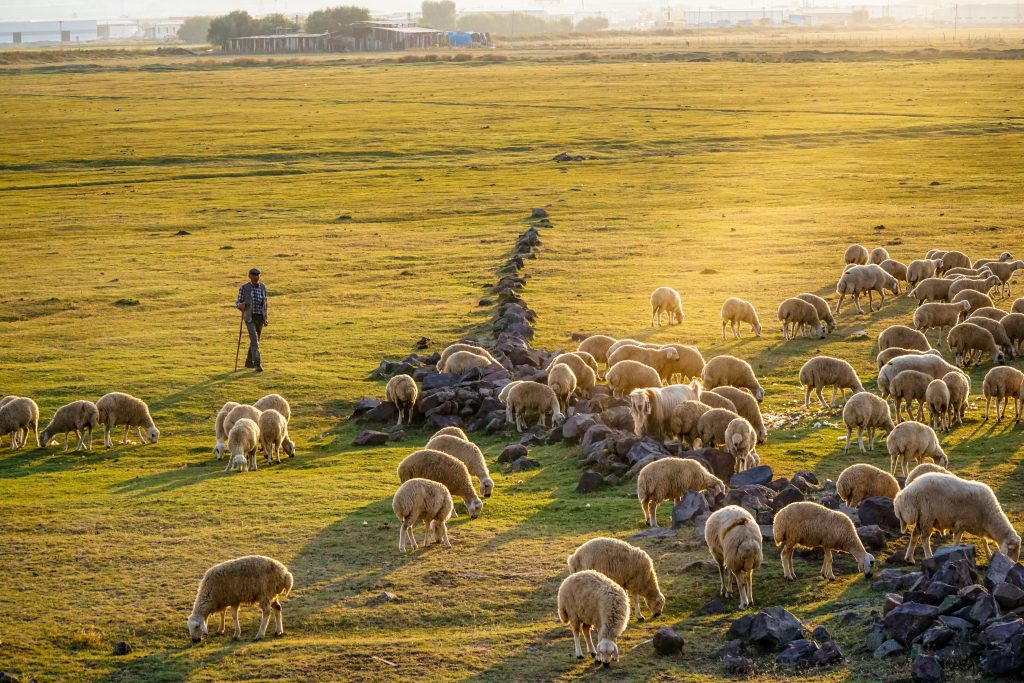
Featured image: unsplash/Yasin Gucluturk
The Animal Echo aims to promote individual and collective understanding of animal health and welfare. We bring you insights and opinions from experts across the world. The opinions expressed in The Animal Echo are those of the author (s) and may not necessarily reflect WOAH’s official position.
Continue reading
Receive the latest updates from our Organisation, network, and partners.
This includes Members’ self-declarations, news articles, scientific insights, publications, and more.