Exploring animal welfare and biosecurity through a One Health lens at the Paris International Agricultural Fair
published on
03/11/2026
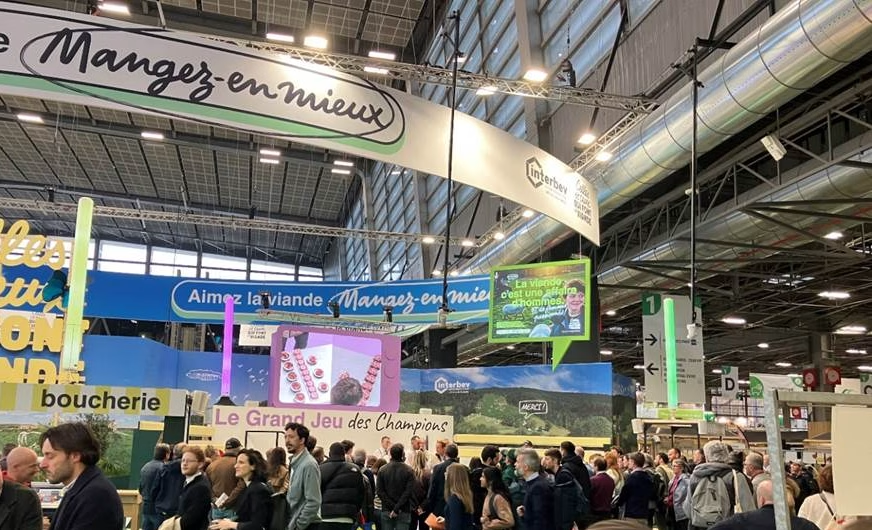
The 2026 edition of the Salon International de l’Agriculture (Paris International Agricultural Fair) offers a unique window into how agriculture, society and public policy interact in France and Europe. Since its creation in 1964, the event has become a major annual gathering, attracting nearly 500,000 visitors each year, bringing together farmers, citizens, institutions, and political actors. The Fair also provides an opportunity to reflect on broader issues shaping agriculture today, including animal health and welfare and biosecurity through a One Health lens.
This year, the Fair’s showcase cow was absent because of the lumpy skin disease outbreak, a reminder that public events involving animals must consider animal health and biosecurity. Some countries, such as the Netherlands, have introduced additional restrictions on certain markets as part of national disease prevention strategies. Bringing animals and large numbers of people together inevitably carries some level of risk. However, European animal markets are governed by strict veterinary inspections, traceability systems and hygiene rules designed to minimise disease transmission.
Globally, discussions around zoonotic diseases have also drawn attention to the importance of managing interfaces where humans and animals interact closely. Experiences from recent disease events such as the COVID-19 pandemic have reinforced the need for strong biosecurity practices and coordinated veterinary oversight to reduce the risks of disease emergence and spread.
At the Fair, however, the animals on display appear healthy, well cared for and free from signs of stress or discomfort, reflecting high animal welfare standards applied during the event. These observations also highlight the value of a One Health approach, which recognises the links between human health, animal health and the environment when assessing risks and designing resilient food systems.
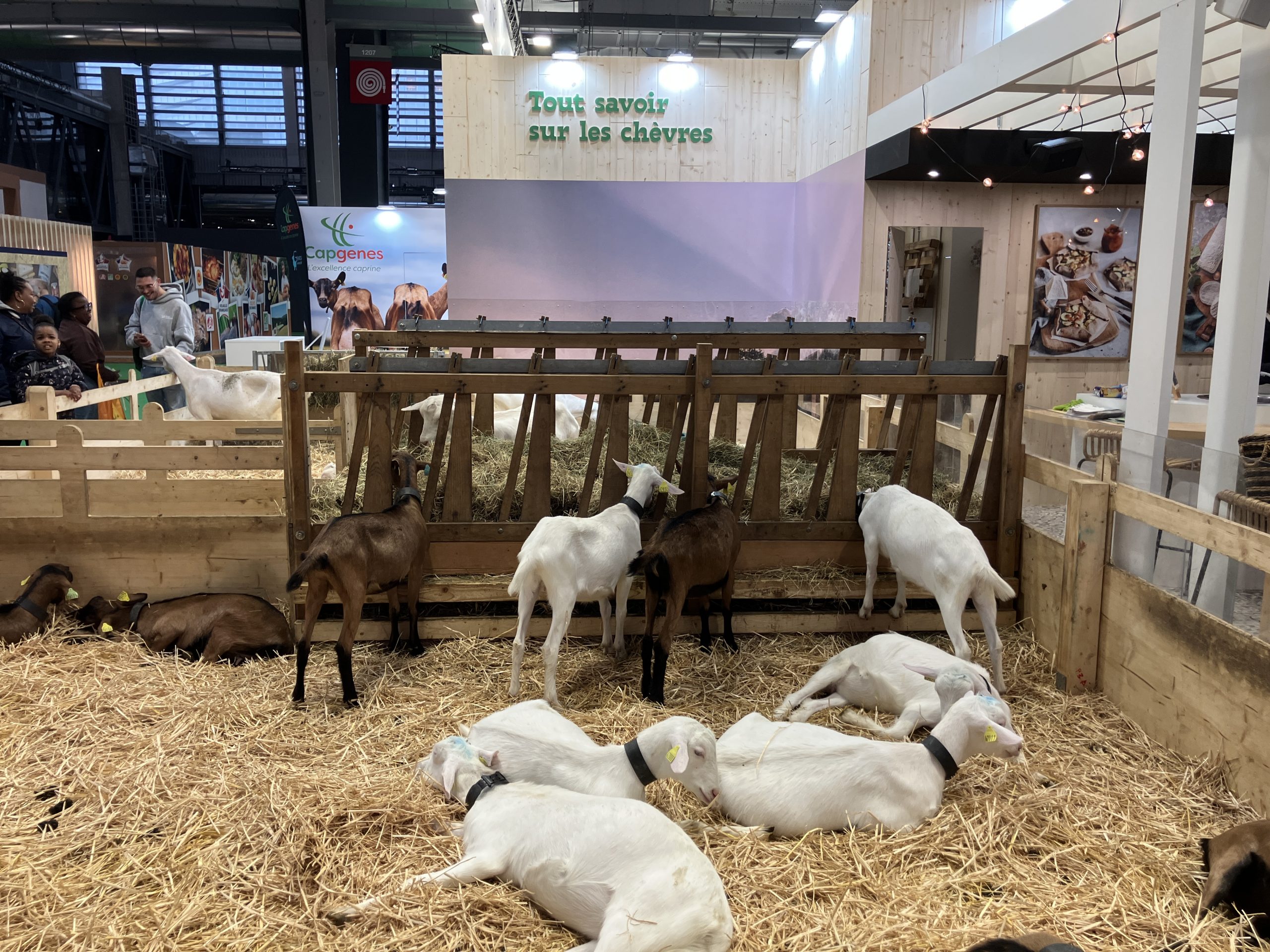
Goats present at the Fair.
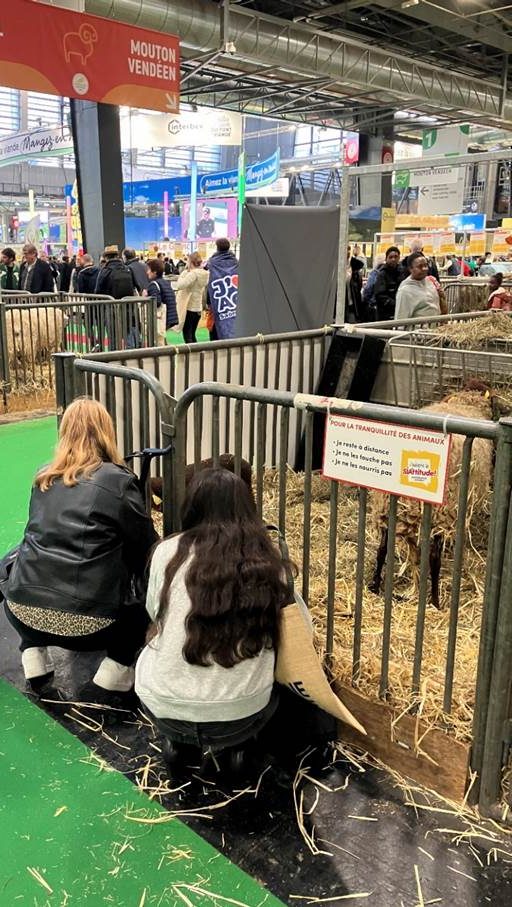
Touching the animals is forbidden, but difficult to enforce.
A festive space with socio-political dimensions
The Fair hosts more than 1 100 exhibitors from producers, public authorities, research organisations and the private sector. It combines a festive environment with a political dimension that shapes public understanding of agriculture. In many high‑income countries, people have become increasingly disconnected from farming, animal husbandry and rural life. This gap can contribute to simplified and polarised views, such as considering livestock inherently harmful, meat consumption unethical or farmers responsible for environmental degradation. Although the Fair aims to bridge this gap, many of these distances remain unexplained and some discussions appear contradictory.
The event also serves as a platform for lobbying, advocacy and institutional communication. Pavilion 4, for example, illustrates this role, with veterinary schools and the Ministry of Agriculture among prominent actors. Despite its international branding, the Fair remains largely focused on France, though several countries, including China, Nigeria and Rwanda, have a visible presence.
Innovation, climate change and resilient food systems
Innovation and experience were widely shared across the Fair, and climate change appeared as a leading theme in conferences and film screenings. Building resilient food systems has become a central issue. This includes diversification rather than strict delocalisation – an approach that encourages regions to produce a broader range of foods and supports supply chains capable of functioning under varying climatic conditions, whether drought, normal rainfall or excess water. Water management illustrates many of today’s choices: how to allocate water between cities and agriculture, and how to maintain safe drinking water in a changing climate. Healthy soils are essential for fertility, biodiversity and climate mitigation, and livestock contributes to nutrient cycles, landscape management and rural economies, despite frequent criticism in public debate.
Consumers’ choices and the values gap
Consumer behaviour also reveals contradictions. At the Fair, wine, champagne, sweets and meat were widely consumed, while fresh vegetables were almost absent and discussion of alternative protein sources remains limited. This gap between stated values and actual choices highlights the complexity of dietary and behaviour changes.
A broader reflection on agriculture today
Overall, the Paris International Agricultural Fair reflects the main issues shaping contemporary agriculture: the need to strengthen public understanding, the centrality of animals, animal health and welfare, the risks linked to globalised trade, the growing urban–rural divide and the increasing pressure of climate change on water and production systems.
Agriculture is not only a means of producing food but also a cultural and territorial anchor connected to identity, ecosystems and the shared management of risk. Integrating a One Health perspective helps connect these issues and shows that sustainable agriculture depends on healthy animals, healthy ecosystems and informed public engagement.
Mauro de Rosa
–One Health Project Officer, WOAH
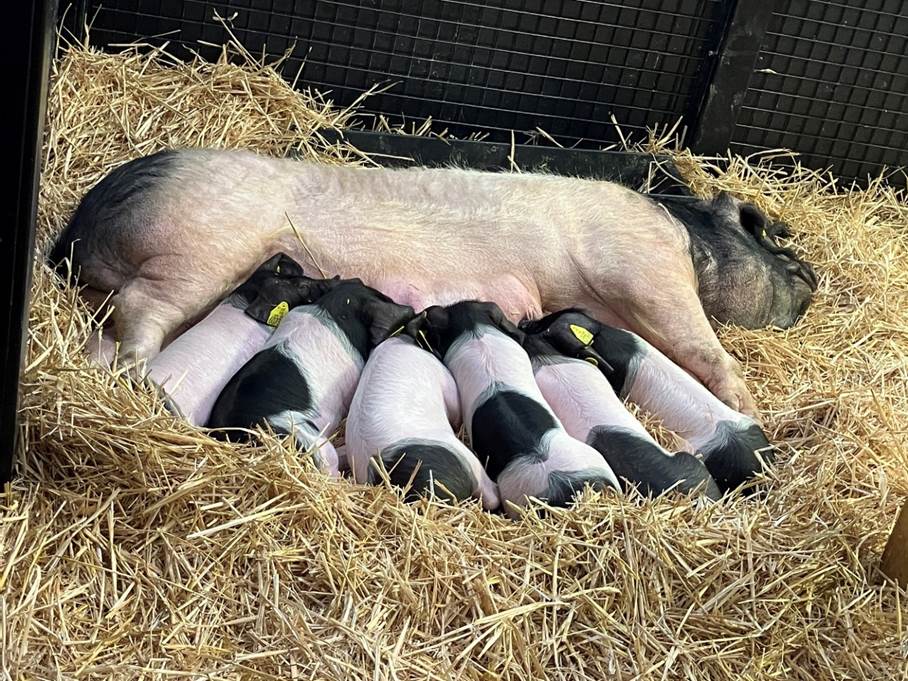
The piglets and other animals appeared and consistently displayed ‘normal’ behaviour.
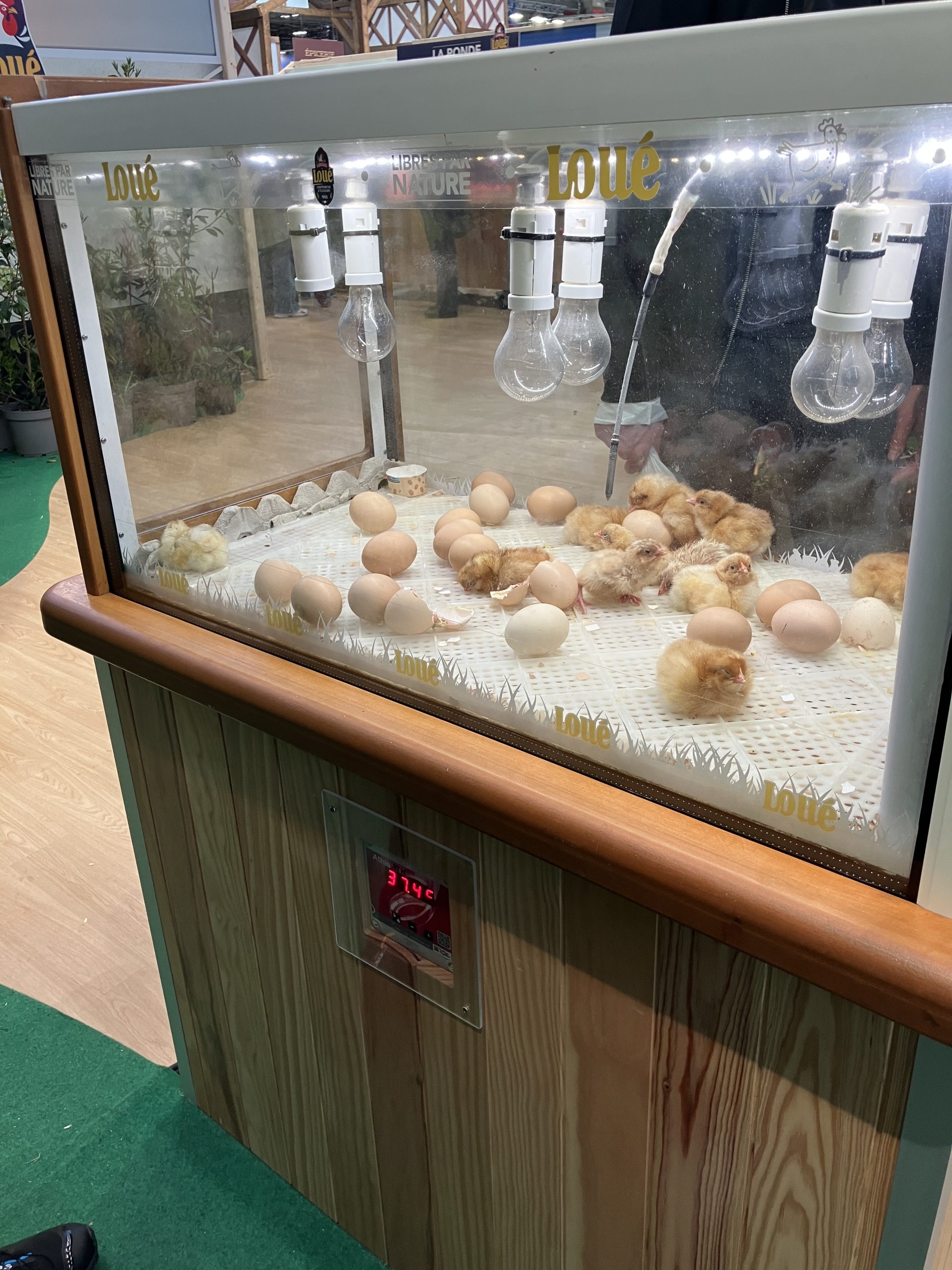
Seeing chicks hatch without a mother hen prompts reflection: how do public perceptions shape what is considered acceptable in animal care?
Experiencing the Fair as a participant sparked more reflections and broad questions about the intersection of animals, humans, food, and public engagement.
Observing animals at the Fair
The piglets and other animals appeared calm and consistently displayed ‘normal’ behaviour. These animals are, of course, carefully selected and accustomed to such events, where they are suddenly exposed to crowds, music, and unfamiliar stimuli. Even so, such a setting illustrates the challenges of applying the latest developments in animal welfare, such as those related to animal sentience. What can these observations teach us about animal welfare?
Food, consumer perception, and learning
How might fairs encourage participants to explore the links between animal health, food production, and sustainable food consumption in more engaging ways?
International collaboration
What role could organisations like WOAH play in sharing knowledge about animal health, biosecurity, and welfare at such events? What lessons from this Fair could inspire new ways to connect people, animals, and food systems in the future?
The Animal Echo aims to promote individual and collective understanding of animal health and welfare. We bring you insights and opinions from experts across the world. The opinions expressed in The Animal Echo are those of the author (s) and may not necessarily reflect WOAH’s official position.
Have you read?
Receive the latest updates from our Organisation, network, and partners.
This includes Members’ self-declarations, news articles, scientific insights, publications, and more.