published on
12/09/2025
written by

Abigail Schoup
Abigail is a PhD candidate at Massey University in Aotearoa/New Zealand. She is a One Health researcher currently studying environmental transmission of the parasite Toxoplasma gondii as it relates to endangered species conservation.

David Hayman
Professor Hayman is an infectious disease ecologist whose work integrates wildlife, human health, and environmental change. He leads research on zoonoses, One Health systems, and global health.
Wild animals, like domestic animals and humans, are constantly exposed to disease-causing organisms. Bacteria, viruses, parasites, fungi, and prions infect wildlife around the world, yet their effects often remain unseen. While some pathogenic infections cause obvious sickness and death, others may cause few signs, affect only some individuals, or even persist silently within apparently healthy animals. Understanding how diseases affect wild species—and how these animals fight, conceal, or recover from infection—reveals both the resilience of wildlife and the complex relationships between hosts and pathogens.
Pathogens have the potential to infect various animal hosts, but different host species may not always present sickness in the same way. For example, avian influenza, or bird flu, is a virus which can cause both asymptomatic and symptomatic infections in wild birds. An animal may get sick with bird flu when exposed to other sick animals or virus-contaminated environments. After exposure, the resulting sickness can look strikingly different in each host. In some wild geese and ducks, a bird may be infected but show no obvious signs of illness, an example of asymptomatic infection. However, other birds like pelicans, cormorants, and sanderlings are more likely to show clear signs of disease including trouble breathing, flying, or maintaining balance, as well as die from the infection. These bird species experience symptomatic infection, meaning the virus causes clear signs of illness. While each of these species are infected with the same virus, the resulting disease looks very different from animal to animal, reflecting variation in host susceptibility and infection pathogenicity.
Avoiding predators: why wild animals hide signs of disease
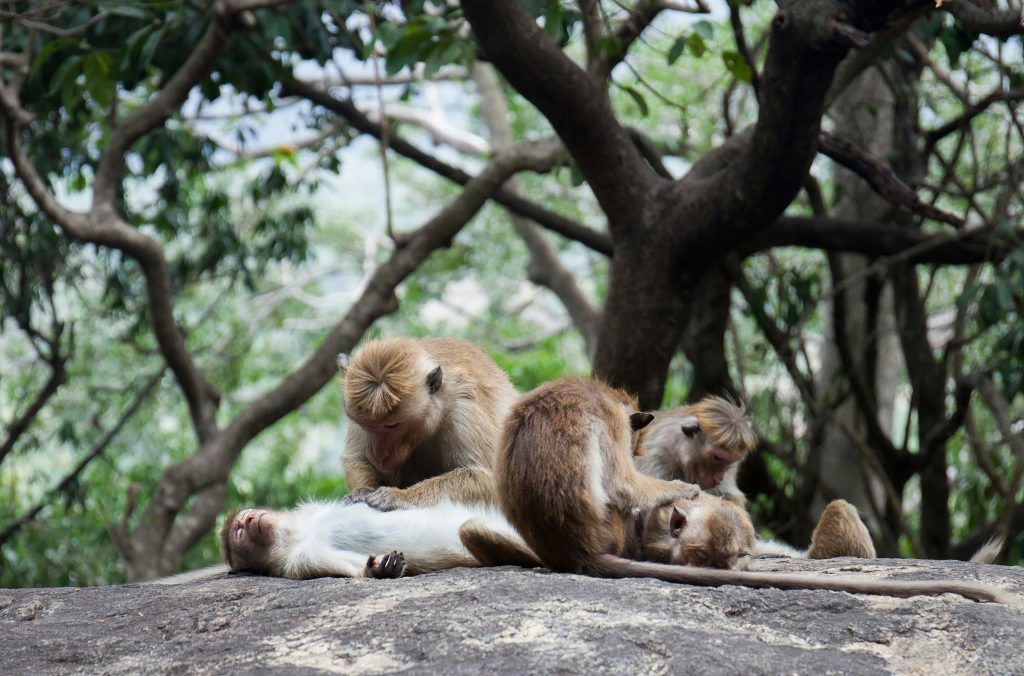
Even when animals experience infections which cause clear pathology and disease, it still might not be obvious they are ill. Behavioural changes like inactivity, sleepiness, and fever are easily recognised signs of disease in animals. While these behaviours may help an animal’s body fight pathogens, they are not always helpful for an animal trying to survive in the wild. Obvious signs of disease can make an ill animal appear weak and therefore an easy target for predators. To avoid this extra attention from predators, it is common for many wild animals to hide signs of illness and behave as if they were healthy. This strong instinct to avoid predation can lead to concealment of symptoms, sometimes making disease appear invisible in wild species.
Wild animals are frequently exposed to pathogens, yet the effects of infection are not always apparent because both individuals and species respond in different ways. While some individuals may succumb to disease, many have evolved physiological and behavioural adaptations that enable them to recover and survive even under significant infectious pressures.
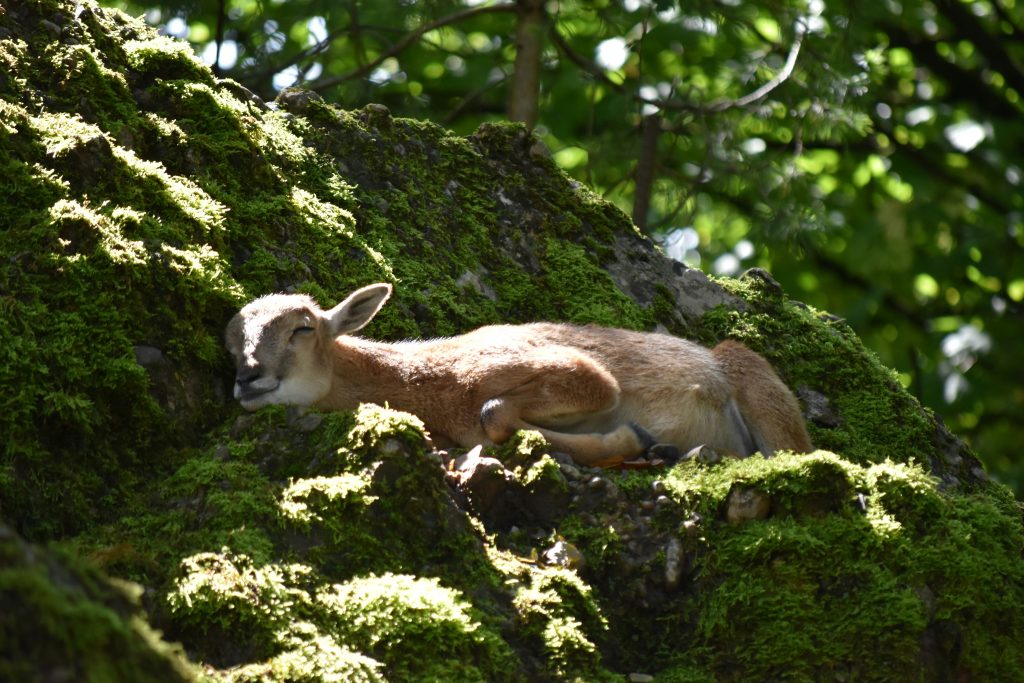
Like people, wild animals can often recover from illness using a range of evolved physiological and behavioural mechanisms that help them survive infection.
The first line of defence includes physical and chemical barriers—such as skin, feathers, mucous membranes, and stomach acid—that prevent pathogens from entering the body. If these barriers are breached, the immune system provides further protection through both innate and adaptive responses.
The innate immune system acts rapidly and non-specifically, using cells such as phagocytes and natural killer cells to detect and destroy invading microbes. The adaptive immune system then mounts a more targeted response, producing antibodies and memory cells that recognise and eliminate specific pathogens. Together, these defences work in a coordinated way to clear infection and restore the animal’s health once the pathogen has been controlled or eliminated.
The challenge of latent infections
For some diseases, a successful immune response leads to recovery when the pathogen is eliminated from within the host’s body. In other cases, the pathogen is not fully cleared but instead enters a dormant or latent state, remaining in the body without causing active disease. This condition, known as latent infection, can persist for long periods as the immune system keeps the pathogen in check. Many viruses undergo latency, during which viral replication is minimal or absent.
Recovery with latent infection can happen in some warm-blooded animals after infection by the parasite Toxoplasma gondii which causes the disease toxoplasmosis. In response to this infection, the host’s immune system limits parasite replication which restricts the spread of Toxoplasma gondii through the body. In turn, the parasite transitions into a dormant stage, forming tissue cysts of bradyzoites that can persist for the lifetime of the host. This encysted state represents an evolutionary adaptation that benefits both parasite and host: the host avoids severe disease, while the parasite survives undetected and retains the potential for transmission to new hosts. As a result, many animals can recover from the acute phase of toxoplasmosis while remaining chronically infected.
Changing behaviours and self-medicating
While the immune system plays a significant role in recovery, animals may also change their behaviours to further aid recovery from illness and even speed up the healing process. While most of the evidence for self-medication in animals is circumstantial, examples in numerous species suggest that wild animals may sometimes take recovery into their own hands.
Recently, researchers observed an injured Sumatran orangutan self-medicating with a plant substance he created to treat a facial wound. The orangutan gathered plant leaves with known medicinal properties, chewed them, then applied the plant juice and chewed leaves directly to the injury like an ointment. This self-treatment behaviour helped the wound heal completely and allowed the orangutan to recover from a significant injury. Observations like this and others in different species suggest that animals may exhibit specific behaviours to self-medicate and therefore recover faster after illness or injury.
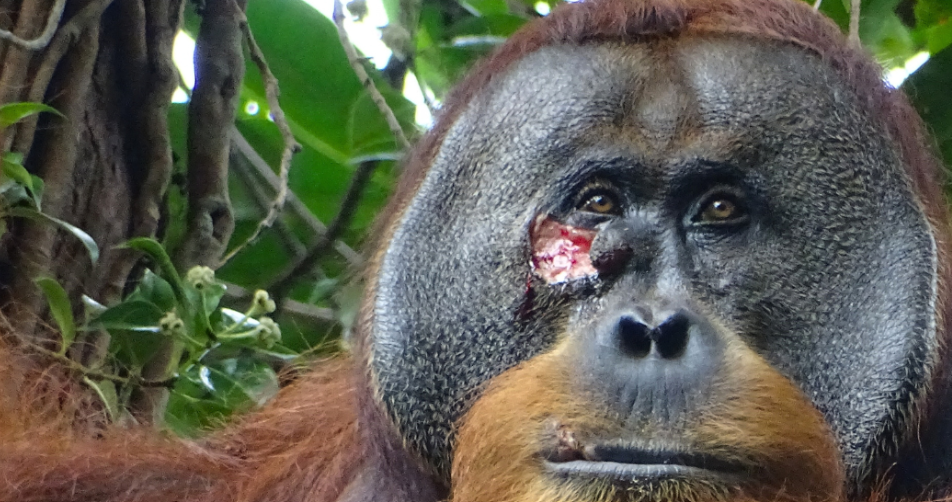
Video of Orangutan seen “self-medicating”
In summary, millions of years of evolution have equipped wild animals with an array of physiological and behavioural adaptations that enable them to recover from disease while facing many simultaneous health challenges.
Living alongside a diversity of both helpful and harmful viruses, bacteria, protozoa, and fungi as well as non-infectious hazard, wild animals are continually confronting and controlling these pressures.
This resilience to disease is a fundamental feature of life in the wild, not a trait unique to humans.
David Hayman and Abigail Schoup work for Massey University, a Member institution of the WOAH WildNet collaborating centre network on wildlife health.
________
Main featured image: ©Unsplash/Adriano Mescia
Supporting image: ©Unsplash/Sascha Pfyl
The Animal Echo aims to promote individual and collective understanding of animal health and welfare. We bring you insights and opinions from experts across the world. The opinions expressed in The Animal Echo are those of the author (s) and may not necessarily reflect WOAH’s official position.
Continue reading


Receive the latest updates from our Organisation, network, and partners.
This includes Members’ self-declarations, news articles, scientific insights, publications, and more.